6 hr
Pico do Fogo Summit Trek
- Expert local guide
- Small group
- Skip-the-line access
- Free cancellation
Pico do Fogo Hike — Summit Cape Verde's Active Volcano
Climb 2,829 metres to the crater rim, where lava fields meet sky
Compare fares, pick the fit — all bookings are mobile-voucher and eligible for free cancellation where shown.
6 hr
12 hr
8 hr
| Experience | Duration | Rating | Skip-the-line | Guide | Small group | Free cancel. | Price | |
|---|---|---|---|---|---|---|---|---|
|
Guided Experience
Most popular
Pico do Fogo Summit Trek
|
6 hr | ★ 4.7 | ✓ | ✓ | ✓ | ✓ | €45 | Book → |
|
Guided Experience
Pico Grande Volcano Summit Trek
|
12 hr | ★ 5.0 | ✓ | ✓ | ✓ | ✓ | €59 | Book → |
|
Guided Experience
Fogo Island Discovery: Coffee Farms & Volcanic Pools
|
8 hr | — | ✓ | ✓ | ✓ | ✓ | €64 | Book → |
Hand-picked experiences loved by thousands of travelers
7 hours
Free Cancellation
Discover organic coffee farming, volcanic landscapes, and swim in pristine natural pools on Fogo Island
7 hours
Free Cancellation
Journey to Cape Verde's active volcano, explore lava-built villages, and taste local wine in a dramatic crater setting
2 hours
Free Cancellation
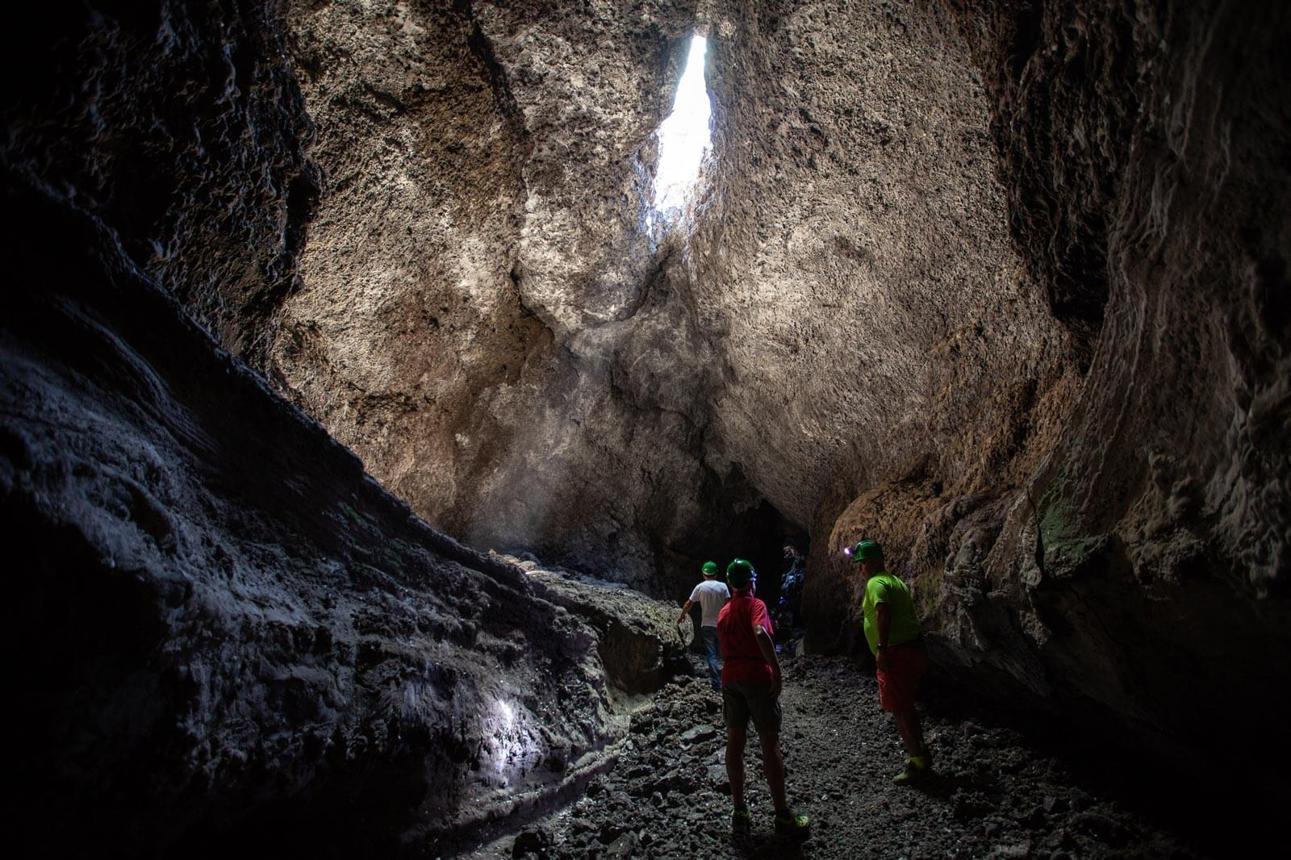
Walk through volcanic terrain to explore a cave created by Fogo's historic 1951 lava flows
1.5 to 2 hours
Free Cancellation
Share artisanal volcanic wine with island residents in their own home on this relaxed cultural visit
2 days
Free Cancellation
Multi-day hiking adventure along the volcanic crater edge with overnight mountain camping option
10 hours
Free Cancellation
Discover colonial architecture, volcanic beaches, and authentic Cape Verdean flavors on Fogo Island
5.5 hours
Free Cancellation
Journey through Cape Verde's heartland, coastal towns, and UNESCO heritage sites on this comprehensive island tour
8 hours
Free Cancellation
Full-day exploration of Santiago's natural wonders, cultural markets, and pristine coastline with tastings
Depart from Chã das Caldeiras before sunrise.
Climb the steep ash slopes to the summit rim.
Observe the secondary volcanic cones and vents.
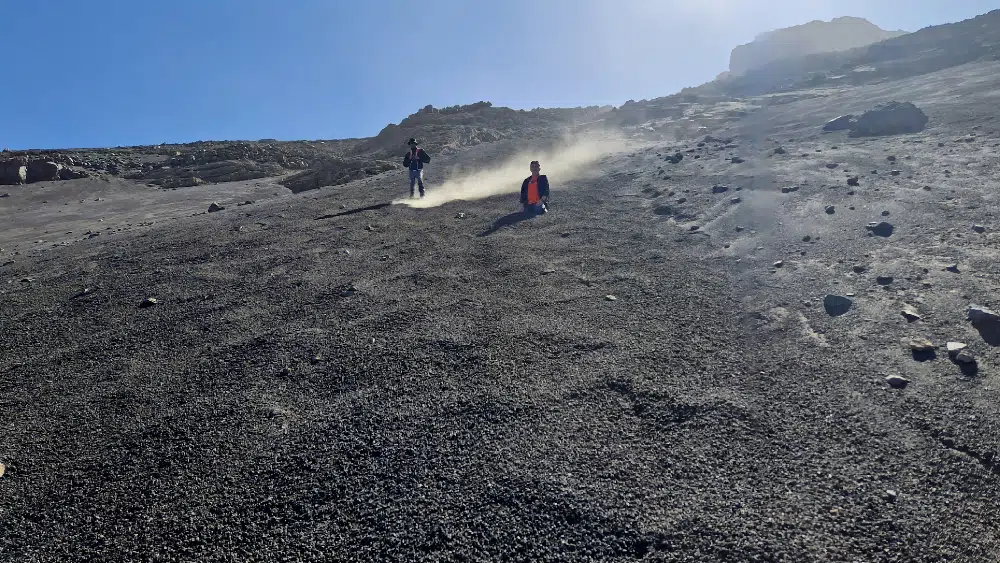
Slide down the ash slopes to return to the village.
The highest point in Cape Verde at 2,829 meters above sea level. You can see across the entire island from the peak.
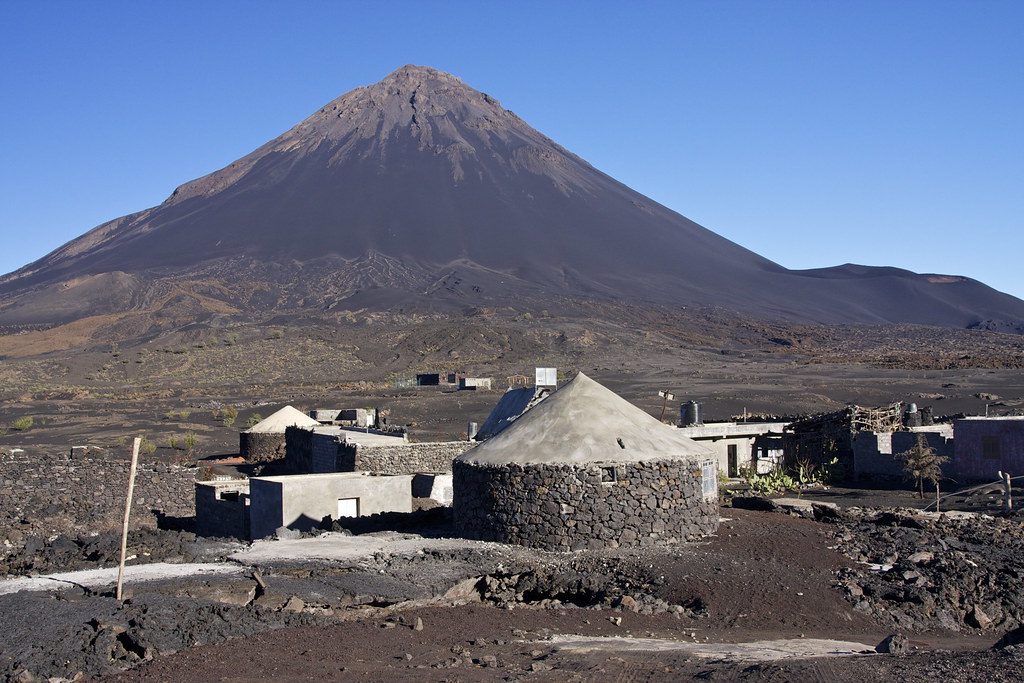
A village situated inside the massive volcanic caldera. Residents grow coffee and grapes in the rich ash soil.
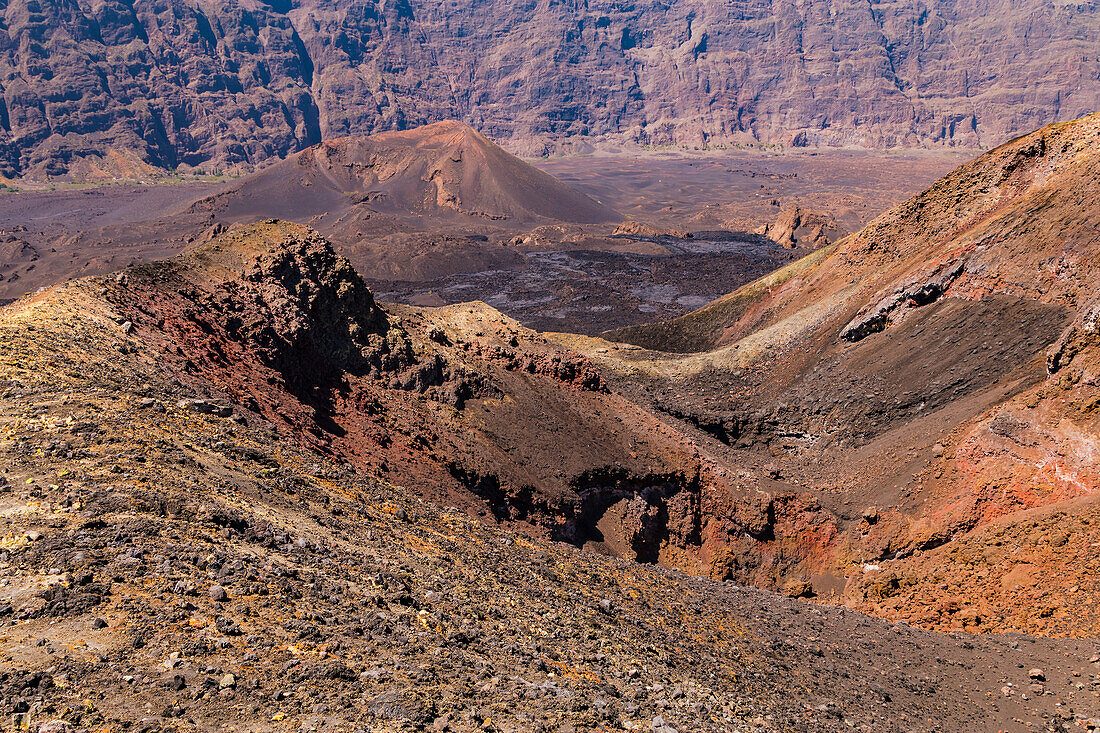
A secondary volcanic cone that emerged during the 2014 eruption. The area remains geologically active with steam vents.
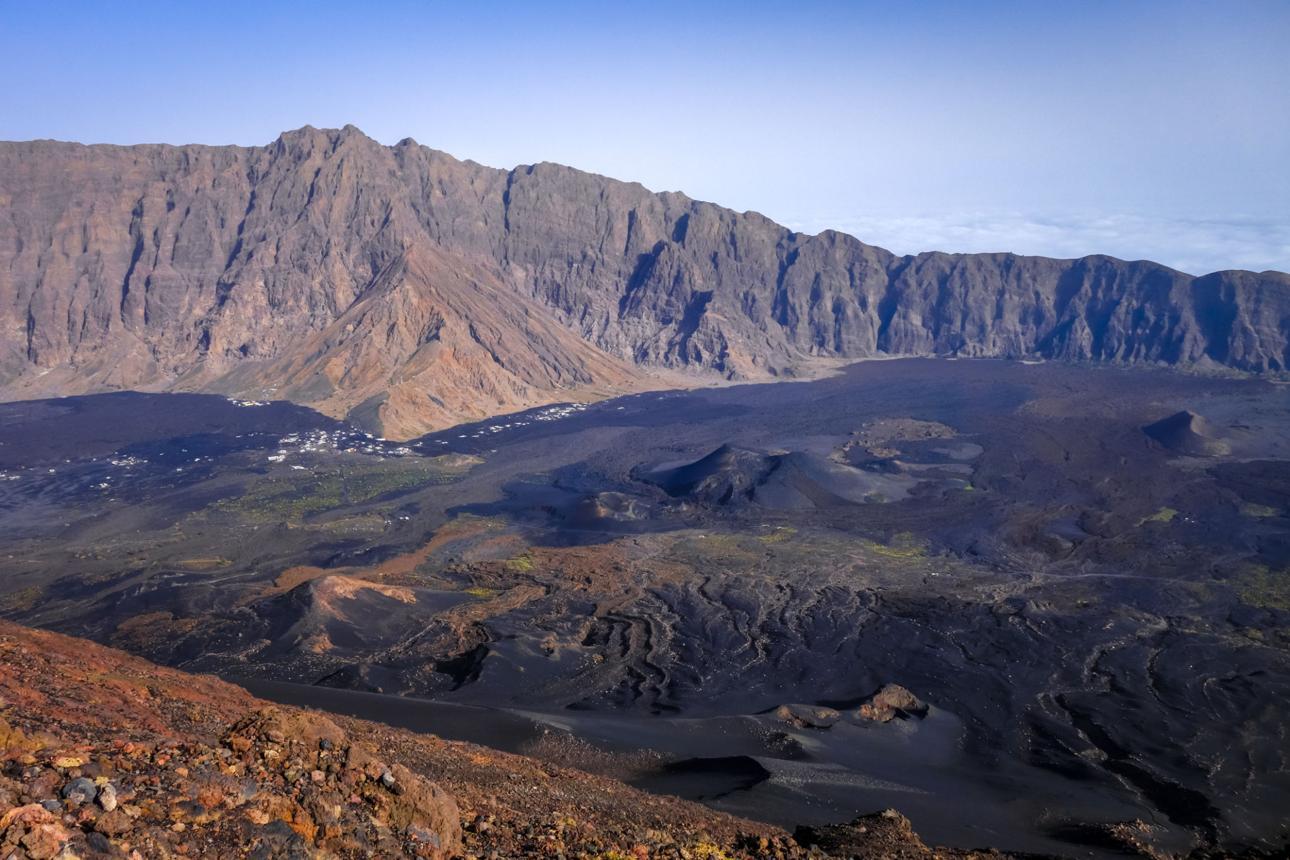
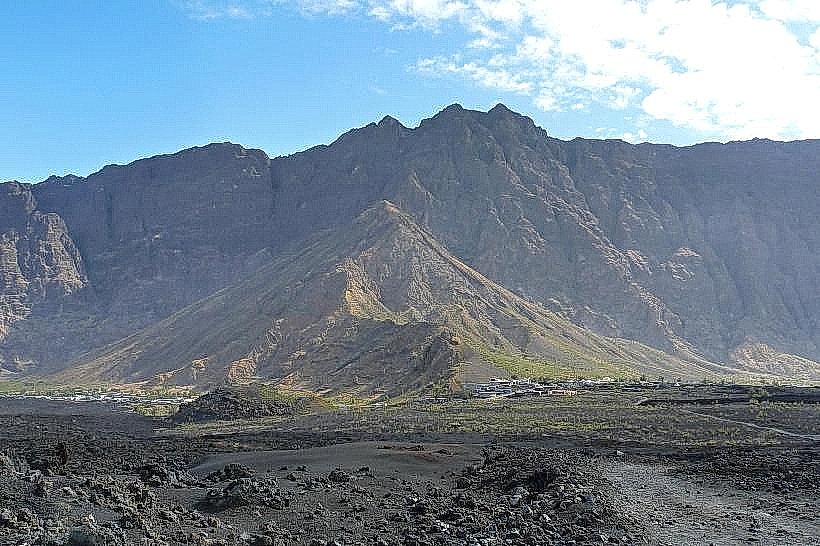
The high outer ridge that surrounds the entire caldera. It serves as a natural boundary for the pico do fogo hike area.
You leave Chã das Caldeiras at dawn, crossing the caldera's black sand toward the base of the summit cone. The air is cool, the sky still dark above the rim. Your guide sets a steady pace up the first switchback, where loose scoria shifts beneath your boots.
You climb through bands of ash and pumice, pausing every twenty minutes as the slope steepens.
An hour in, the caldera floor drops away behind you. Vineyards shrink to green patches; the twin villages become clusters of stone rectangles. The trail narrows, hugging the cone's outer flank. You step over volcanic bombs, some split open to reveal glassy interiors. Sulphur stains mark the rocks yellow near the top.
The final push takes you across a ridge of compacted ash. Wind picks up as you approach the crater rim. You reach the summit three hours after starting, standing at 2,829 metres. The crater opens below—a bowl of fractured rock and fumaroles, still warm from the last eruption. To the west, the Atlantic stretches unbroken. To the east, the caldera's green floor contrasts sharply with black lava flows. You rest here, legs aching, lungs adjusting to the altitude. The descent begins within the hour, a controlled slide down scree that takes half the time you spent climbing.
All the details about your upcoming adventure in one place
The pico do fogo hike ascends Cape Verde's active volcano through lunar ash slopes and hardened lava flows to a 2,829-meter summit with sweeping caldera views. Guided pico do fogo hike tours typically start from Chã das Caldeiras village, climbing steep volcanic terrain before reaching the crater rim. Trekking poles and sturdy boots are essential for navigating loose scoria and exposed ridgelines.
Pico do Fogo last erupted in 2014, sending rivers of basalt across the caldera floor and adding fresh layers to a volcanic cone that has defined Fogo Island for 500,000 years.
The stratovolcano rises 2,829 metres above the Atlantic, making it the highest point in Cape Verde and one of the most active volcanoes in the Macaronesian archipelago. Its caldera, Chã das Caldeiras, stretches nine kilometres wide and cradles vineyards, stone houses, and the twin villages of Portela and Bangaeira, rebuilt after the 2014 flows buried their predecessors.
The Pico do Fogo hike begins at 1,700 metres elevation, where the caldera's black sand plain meets the steep outer slopes of the summit cone. The trail ascends through alternating bands of loose scoria and compacted ash, remnants of eruptions spanning centuries. Hikers climb roughly 1,100 vertical metres over three to four hours, navigating switchbacks that steepen near the crater rim. The final approach crosses fields of volcanic bombs—solidified lava fragments ejected during explosive phases—some as large as boulders, others fine as gravel.
Geologists trace Fogo's formation to a hotspot plume beneath the African Plate, the same mechanism that built the Hawaiian Islands. The volcano's symmetrical profile and frequent eruptions classify it as a stratovolcano, distinct from the shield volcanoes common elsewhere in Cape Verde. Sulphur vents near the summit release gases that colour the rocks yellow and orange, evidence of magma chambers still active beneath the surface. The 1995 eruption lasted 47 days; the 2014 event, 85 days.
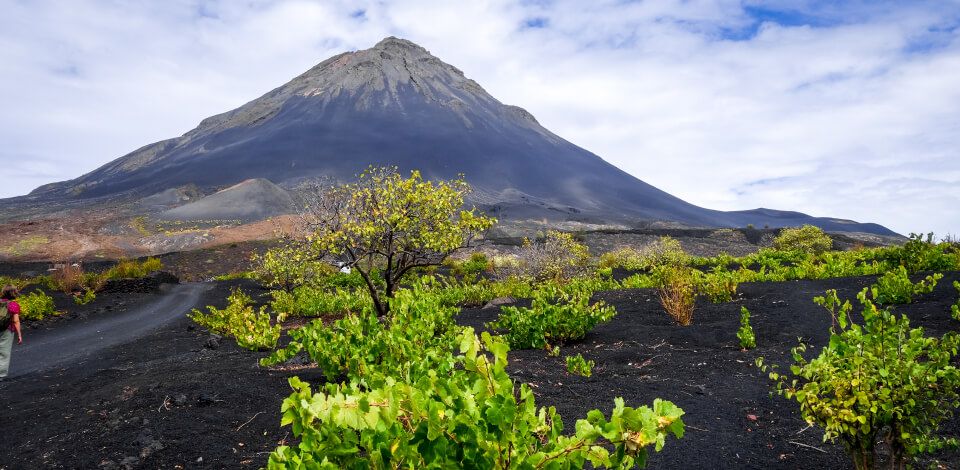
The caldera's microclimate supports cultivation of coffee and wine grapes, particularly the Manecom varietal, which thrives in volcanic soil rich in potassium and phosphorus. Fogo wine, produced at altitudes above 1,000 metres, carries notes of minerality tied directly to the substrate. The community of Chã das Caldeiras, resettled multiple times, maintains a cooperative relationship with the volcano, rebuilding homes from basalt blocks and replanting vines within months of each eruption. Pico do Fogo trekking routes pass through these fields, offering views of agricultural resilience framed by the crater's vertical walls.

The 2014 eruption lasted 85 days, burying two villages and adding fresh basalt to a cone active for half a million years.
Sturdy hiking boots are essential due to the unstable volcanic gravel. Wear layers as temperatures drop significantly near the summit of this Cabo Verde landmark.
Carry a lightweight backpack for the pico do fogo hike to remain agile on steep ascents. There are no secure locker facilities located in Chã das Caldeiras.
The summit of this volcanic trek offers wide panoramas of the Atlantic. Do not attempt to take photos while walking on loose volcanic scoria.
The full pico do fogo hike is generally recommended for teenagers and adults with high fitness levels. Younger children may struggle with the intense incline and thin air.
The pico do fogo hike is physically demanding and involves navigating loose cinder fields. It is not suitable for individuals with limited mobility or heart conditions.
Bring sufficient water, at least 3 liters, for this mountain excursion. There are no potable water sources or shops on the volcanic slopes.
Opening hours
00:00–23:59
Address
Chã das Caldeiras, Fogo Island, Cape Verde
Terrain
Volcanic ash and steep rocky slopes
Best arrival window
05:00–07:00
Storage
Not available at the trailhead
Navigation
Local guide required for safety
Taxi · 2 hours · Variable
Hire a local driver from São Filipe to reach the village.
Public transport · 3 hours · Low cost
Aluguer services run from major towns to the caldera.
Local guide services for the pico do fogo hike typically require 24-hour notice for cancellations. Entrance to the park is 0 EUR, so no park fees are refundable.
Recommended time
6-8 hours
Completing the pico do fogo hike requires significant time for the ascent and descent across volcanic ash. Expect to spend the majority of your morning on the slopes, as local guides ensure safe navigation through the caldera. Visitors looking into pico do fogo hike tours often find that the duration fluctuates based on individual pace and physical endurance. While official pico do fogo hike tickets are not required since the park entry is 0 EUR, hiring a local expert is necessary for the best experience.
Crowd levels through the day
Weather · crowds · average price — dots go green to amber to red as each metric rises.
September offers moderate temperatures for a pico do fogo hike. It is a transitional period before the winter winds arrive.
March to May provides stable weather and cool air. This is a popular season for a pico do fogo hike tour.
December to February features cooler mornings. Visibility is often high, ideal for pico do fogo hike tickets holders.
June to August can be very hot at lower elevations. Many hikers prefer early morning departures during these months.
Spend a day in Chã das Caldeiras before attempting the pico do fogo hike to adjust to altitude.
Local guides know the safest routes through the shifting ash fields for your pico do fogo hike.
High winds often occur at the summit during the pico do fogo hike.
Following the 05:00–07:00 arrival window is critical for peak visibility.
Main trailhead area
Standard meeting point for pico do fogo hike tours.
Get directionsPico do Fogo rises from a catastrophic collapse that shaped Fogo Island roughly 73,000 years ago, when the original volcanic edifice gave way and created the immense Chã das Caldeiras caldera. The current cone began forming around 1680, built layer by layer through successive eruptions that molted the landscape into ridges of black basalt and rust-colored scoria. Early Portuguese settlers documented explosive activity in 1785 and 1799, events that displaced communities and reinforced the volcano's reputation as both fertile ground and existential threat. By the nineteenth century, farmers had returned to the caldera floor, cultivating coffee and grapes in mineral-rich soil that gave Cape Verdean wine its distinctive character. The 1951 eruption buried vineyards under fresh lava, yet residents rebuilt within years, adapting their lives to the cycle of destruction and renewal. Modern vulcanology began monitoring Pico do Fogo in the 1980s, installing seismographs that detected magma movement beneath the summit. The pico do fogo hike became a recognized route for scientists and adventurers drawn to the active crater, though access remained informal until local guides organized basic tours in the early 2000s. On November 23, 2014, the volcano erupted without warning, sending lava flows through Portela and Bangaeira villages and forcing 1,200 residents to evacuate. The eruption lasted until February 2015, obliterating homes and infrastructure while reshaping the caldera into a stark tableau of cooling pahoehoe. Recovery efforts prioritized housing displaced families in São Filipe, yet many returned to rebuild on the ash-covered slopes despite government discouragement. Guided pico do fogo hike tours resumed in late 2015, navigating fresh lava fields that now define the ascent. The 2,829-meter summit remains an open laboratory for volcanologists studying basaltic eruption patterns, while the caldera's resilient community sustains traditions of winemaking and storytelling rooted in centuries of coexistence with fire.
Caldera collapse creates Chã das Caldeiras, reshaping Fogo Island's volcanic structure.
Current Pico do Fogo cone begins forming through sustained eruptive activity.
Explosive eruptions documented by Portuguese settlers displace early farming communities.
Major eruption buries vineyards under lava; residents return within years to replant.
Seismographic monitoring begins, tracking magma movement beneath the active summit.
Eruption destroys Portela and Bangaeira villages, forcing 1,200 evacuations.
Lava flow ceases in February; guided pico do fogo hike tours resume by year-end.
Summit remains active research site; caldera community rebuilds amid geological hazards.
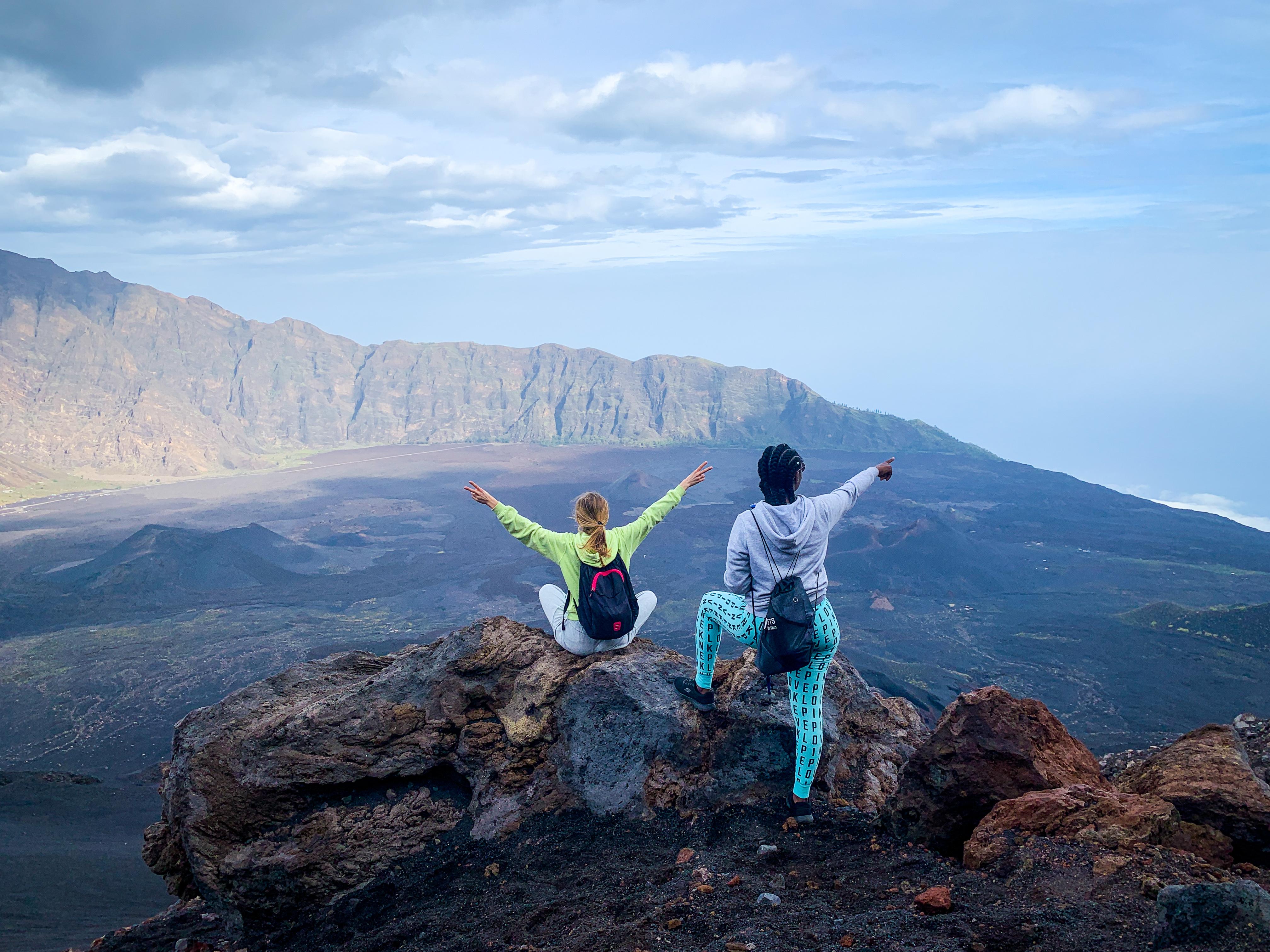
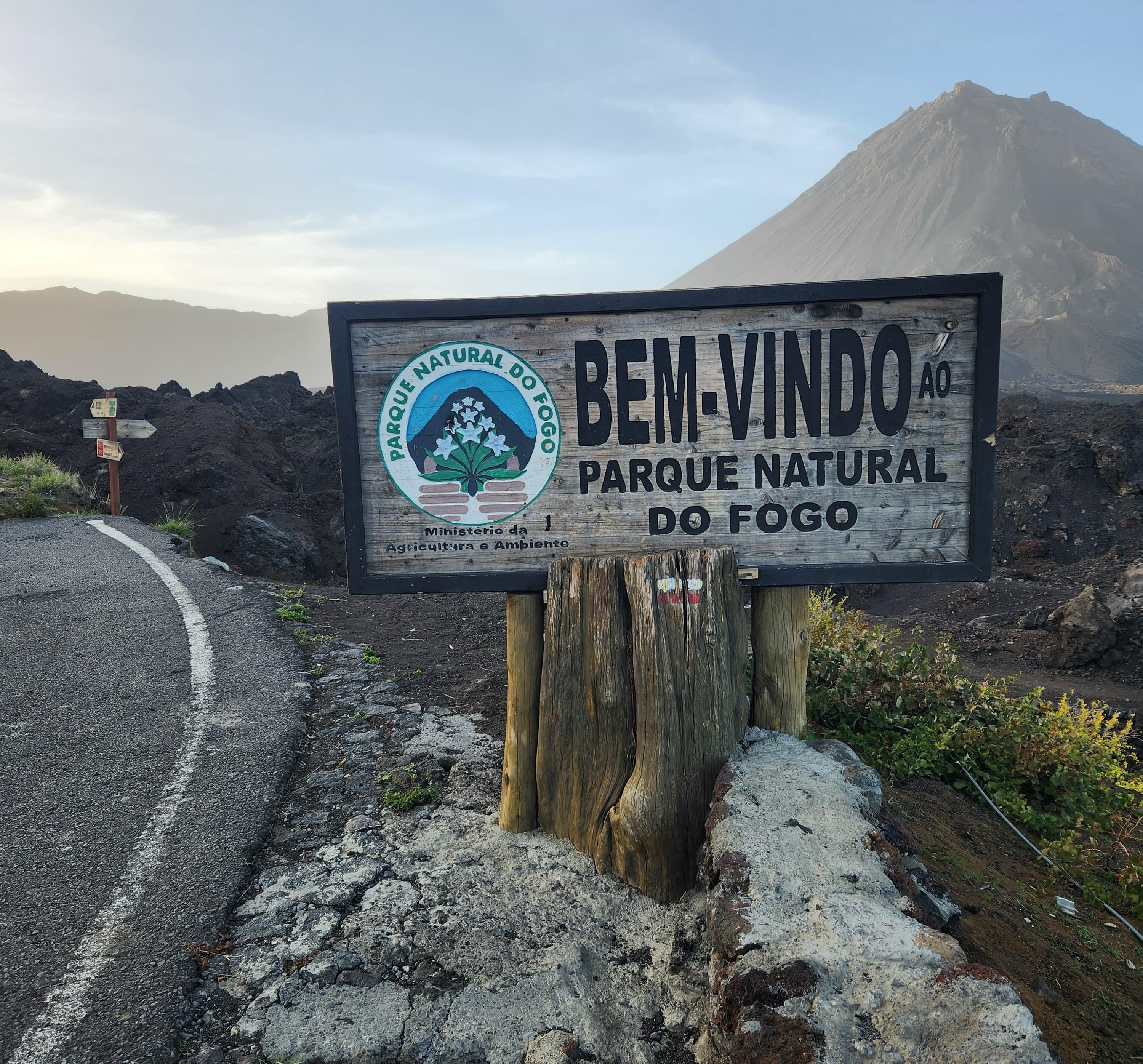
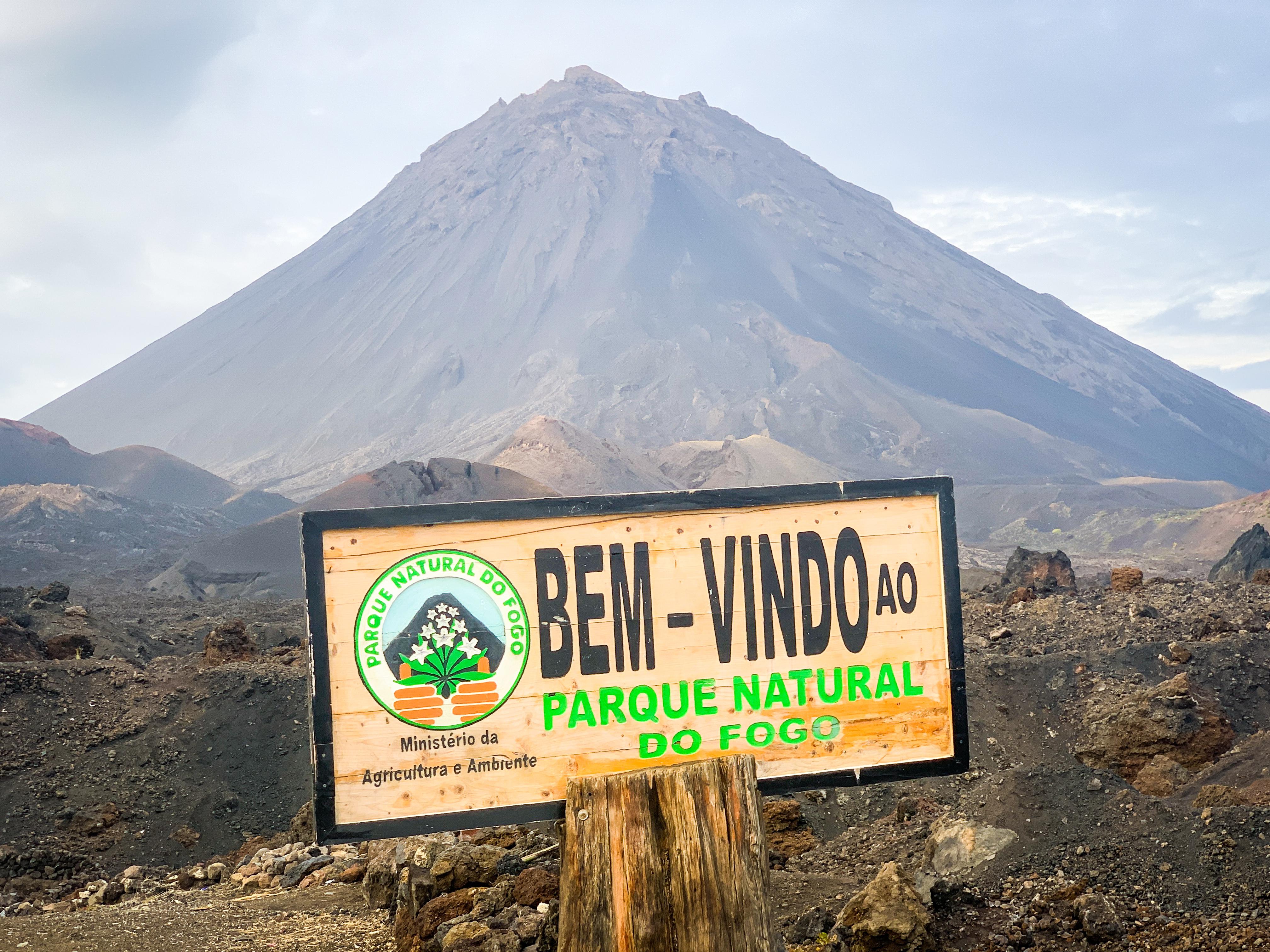
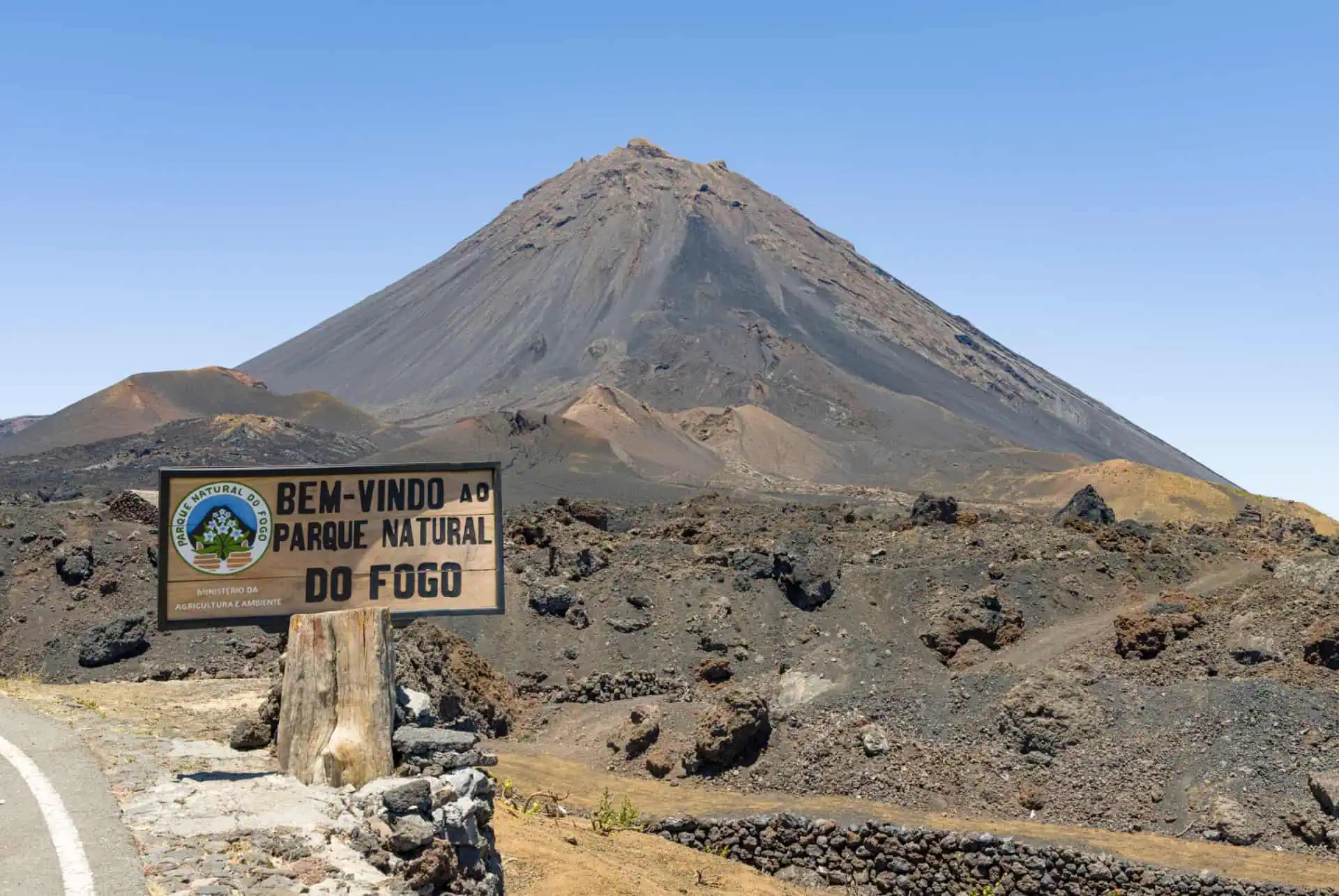
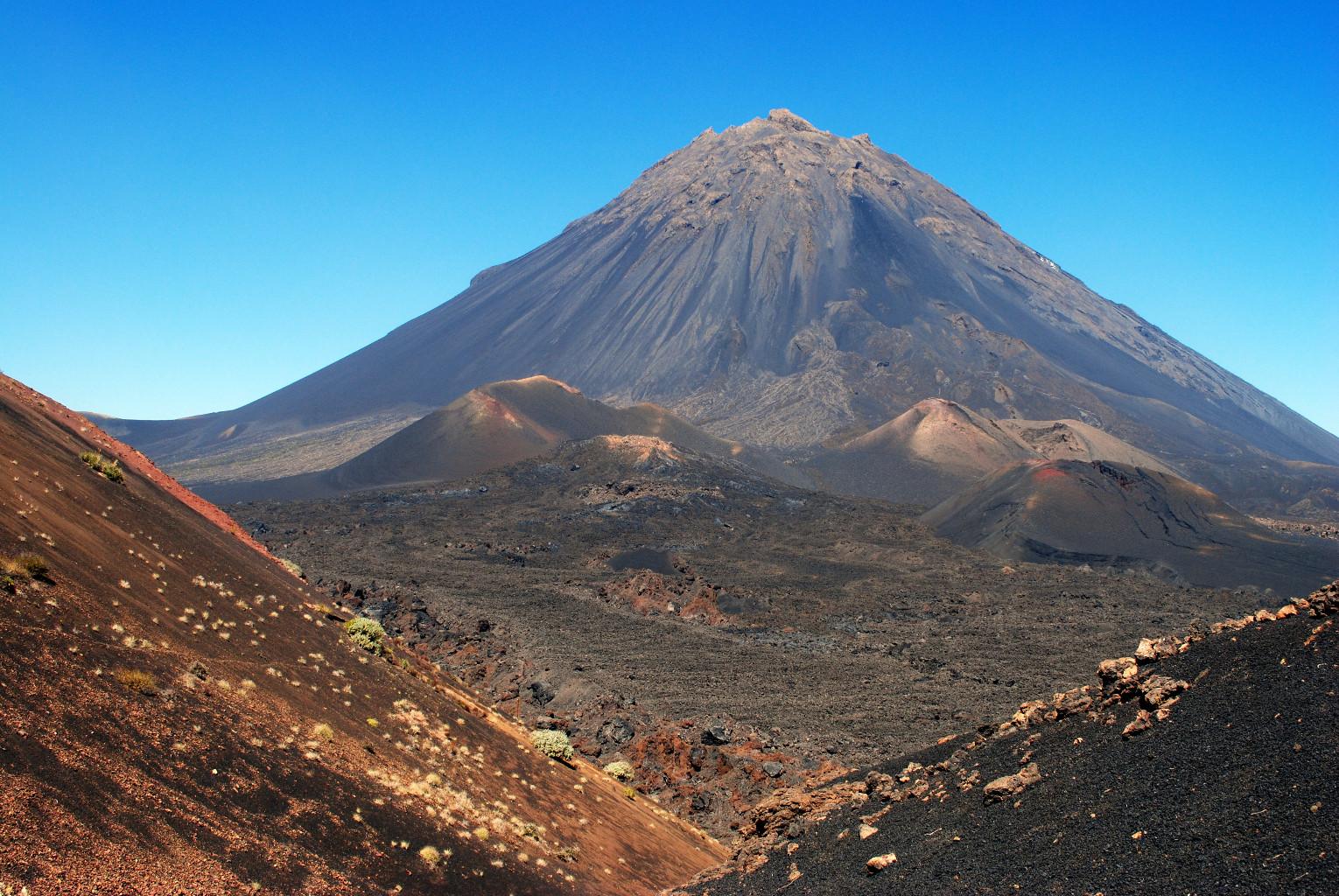
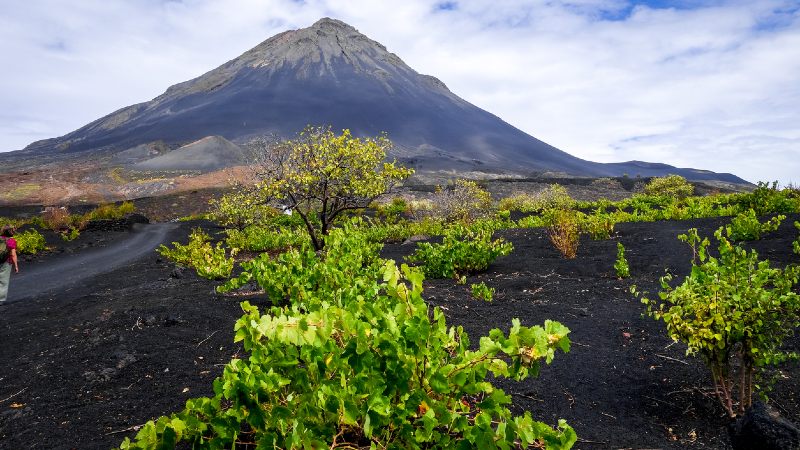
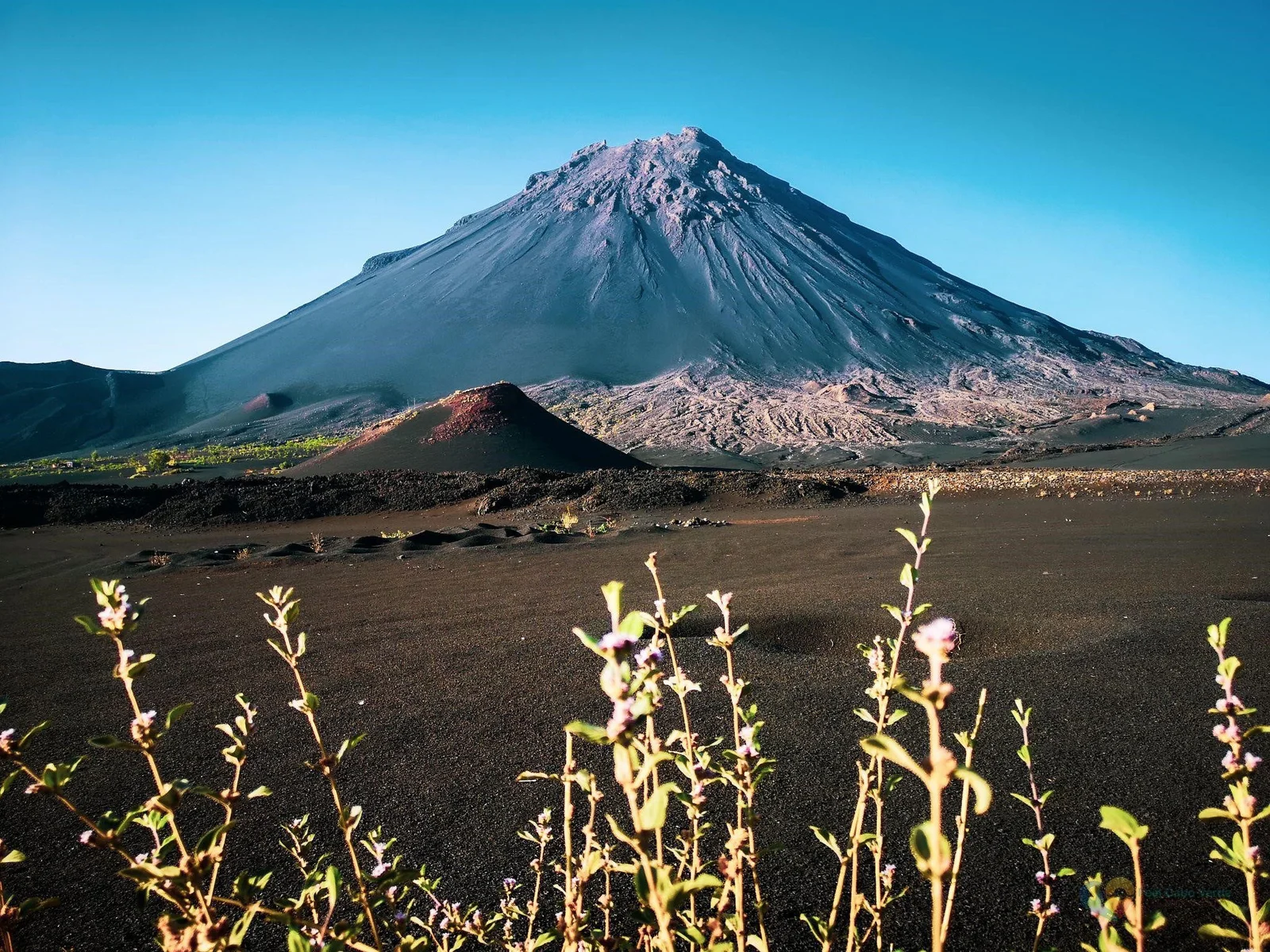
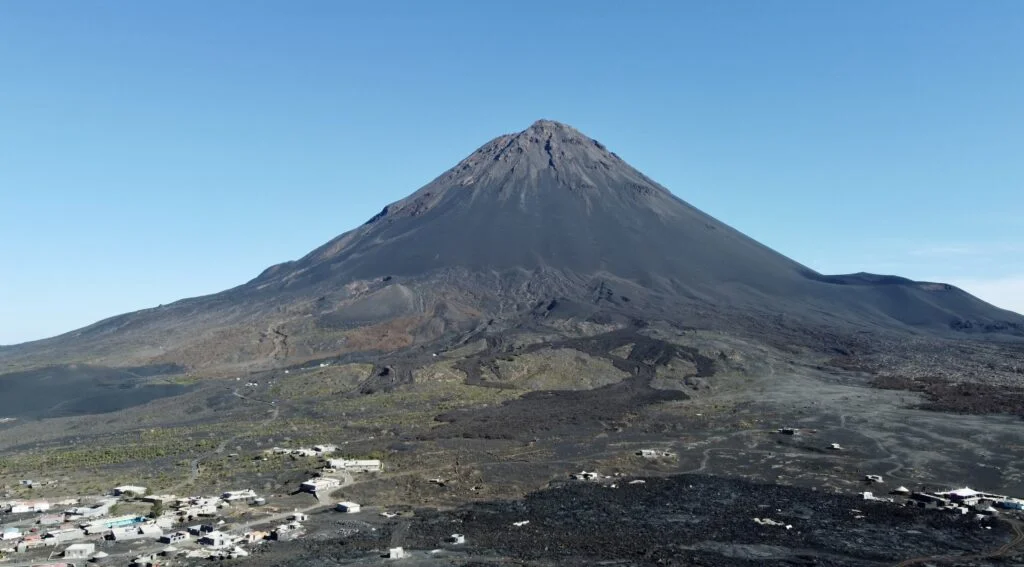
Stand at the base of the volcanic plain to capture the massive scale of the mountain against the clear sky during a pico do fogo hike.
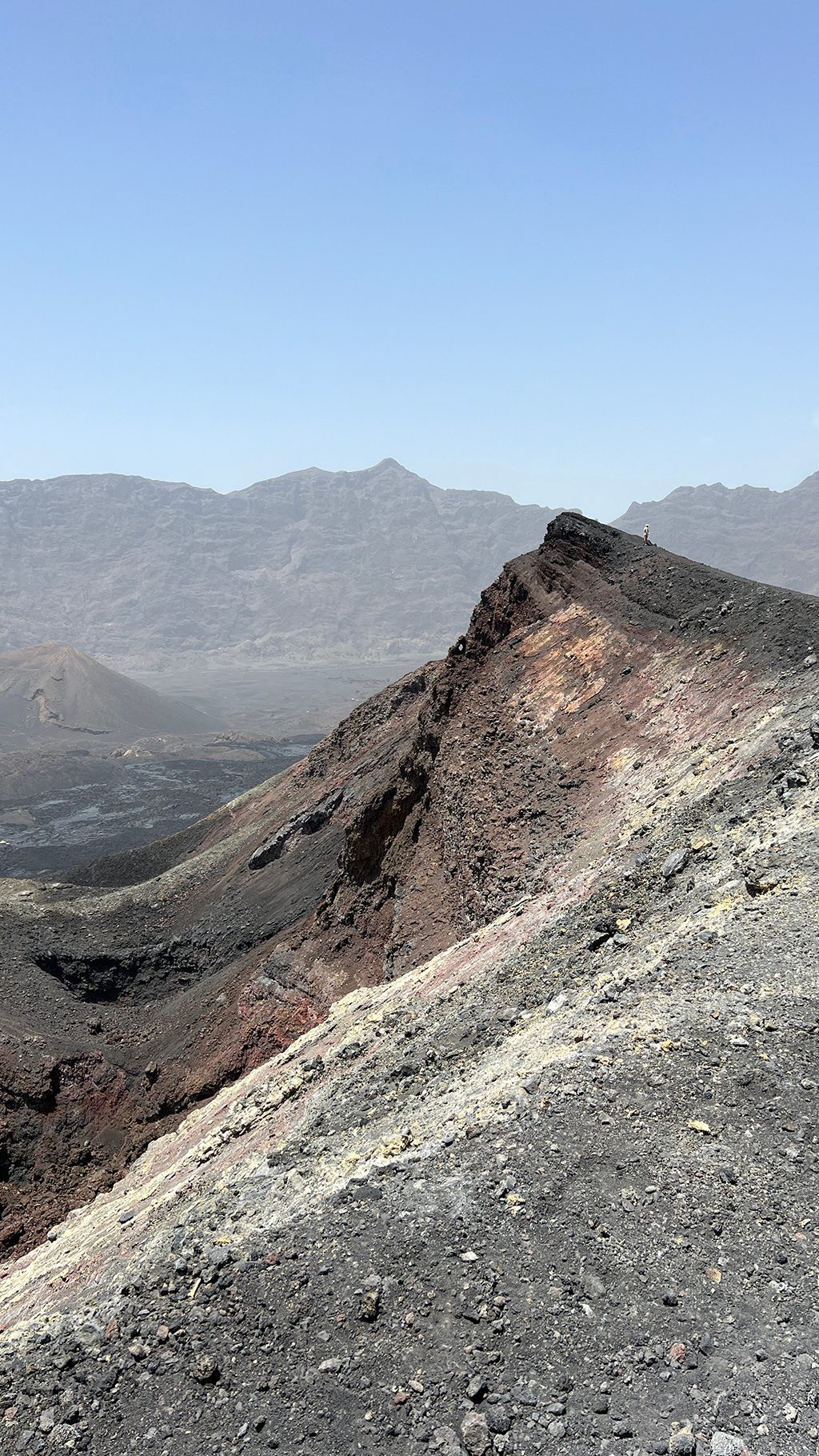
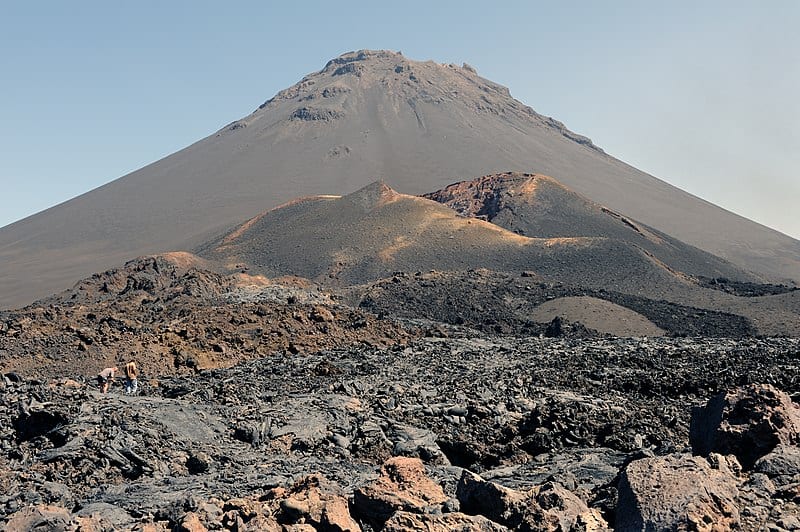
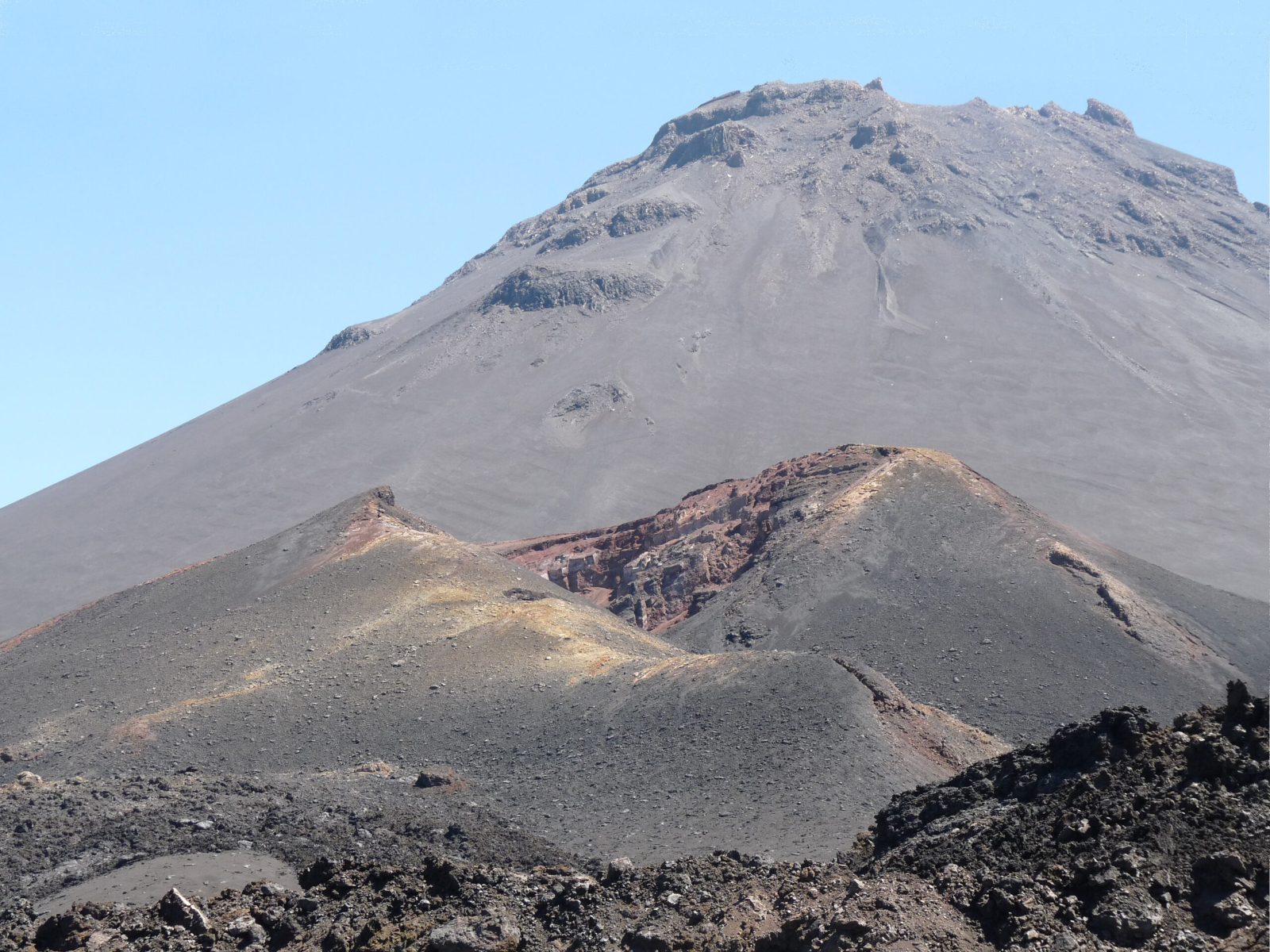
This smaller vent offers a sharp contrast to the main peak, perfect for shots of rugged lava formations.
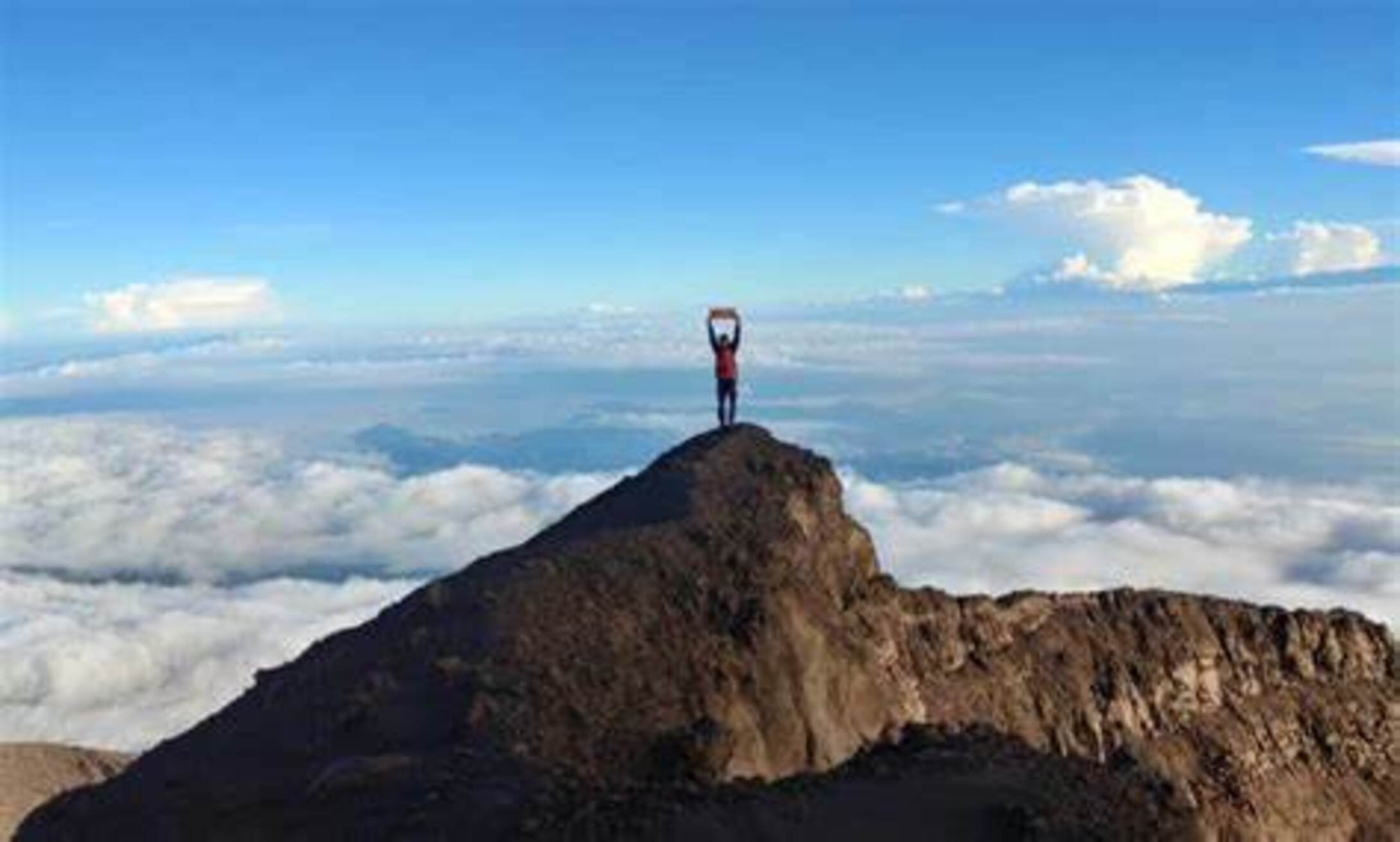
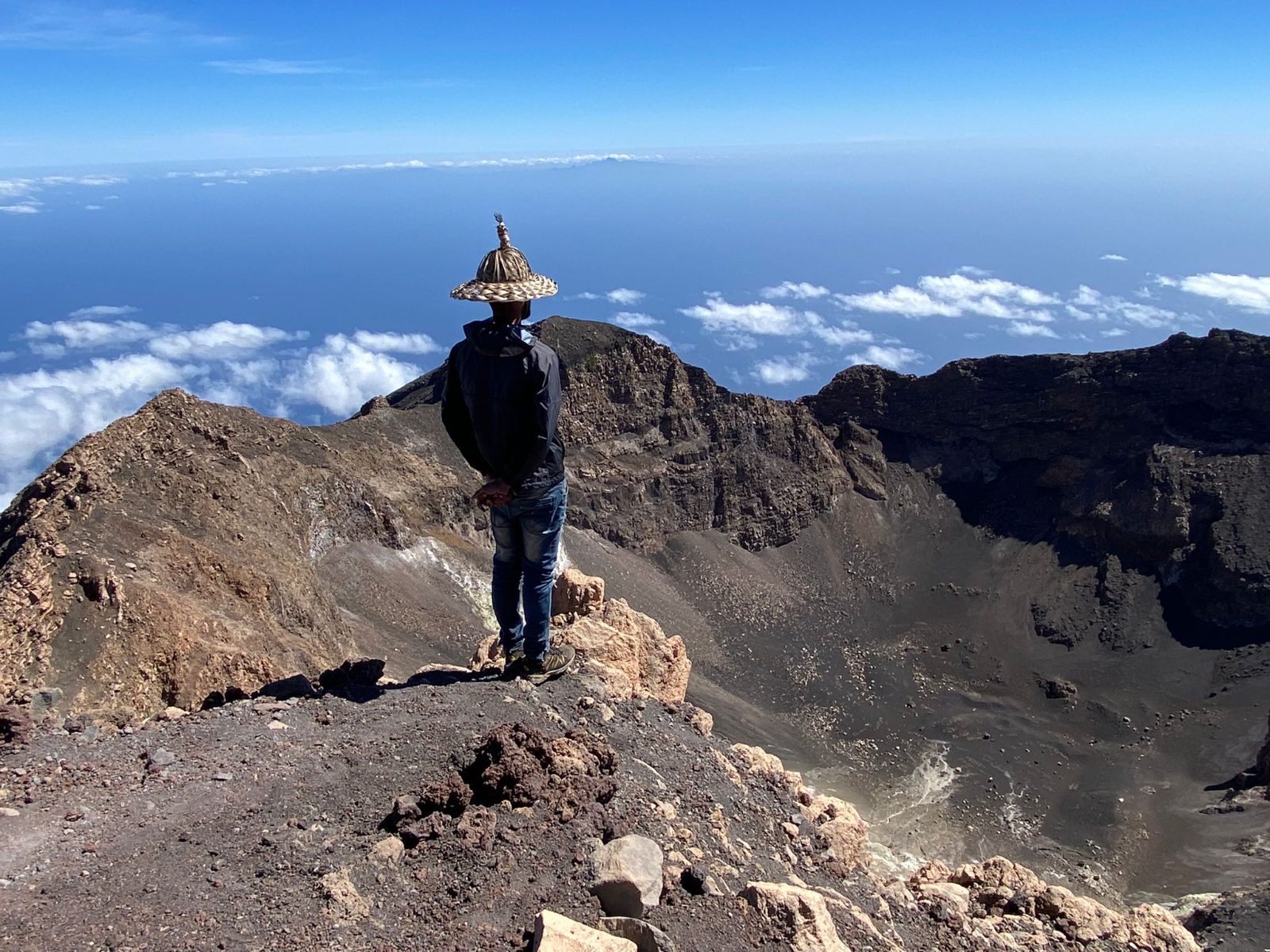
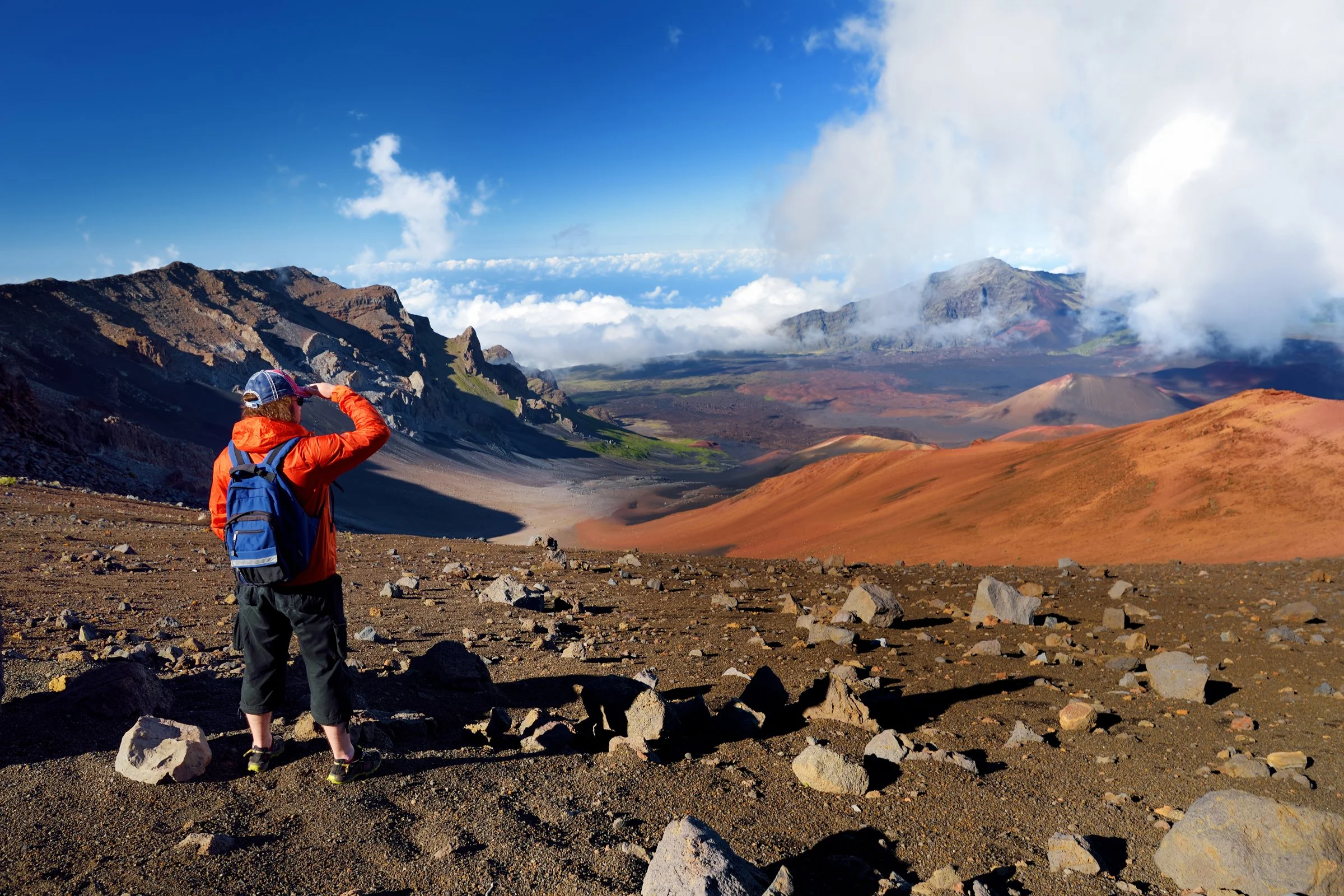
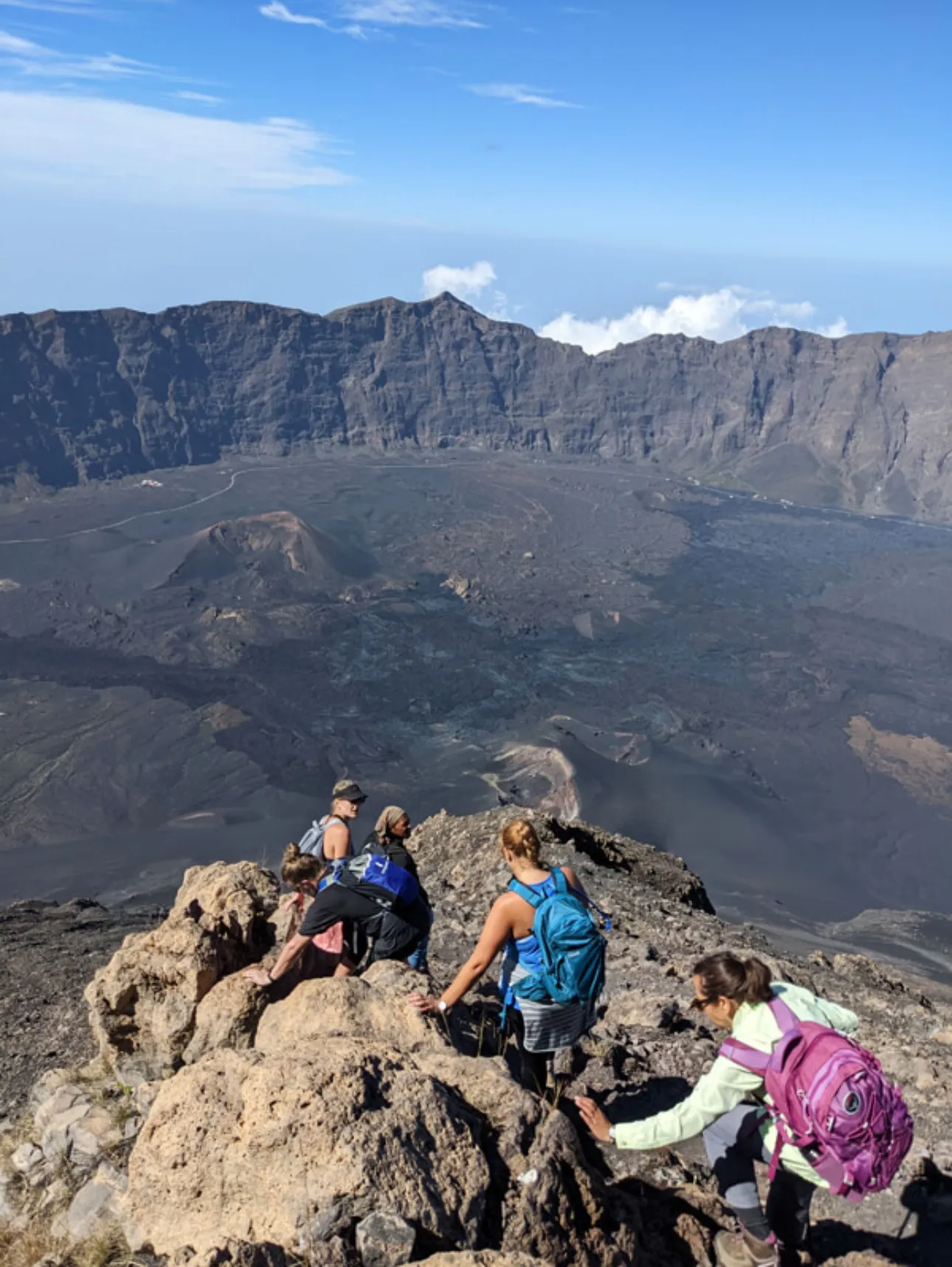
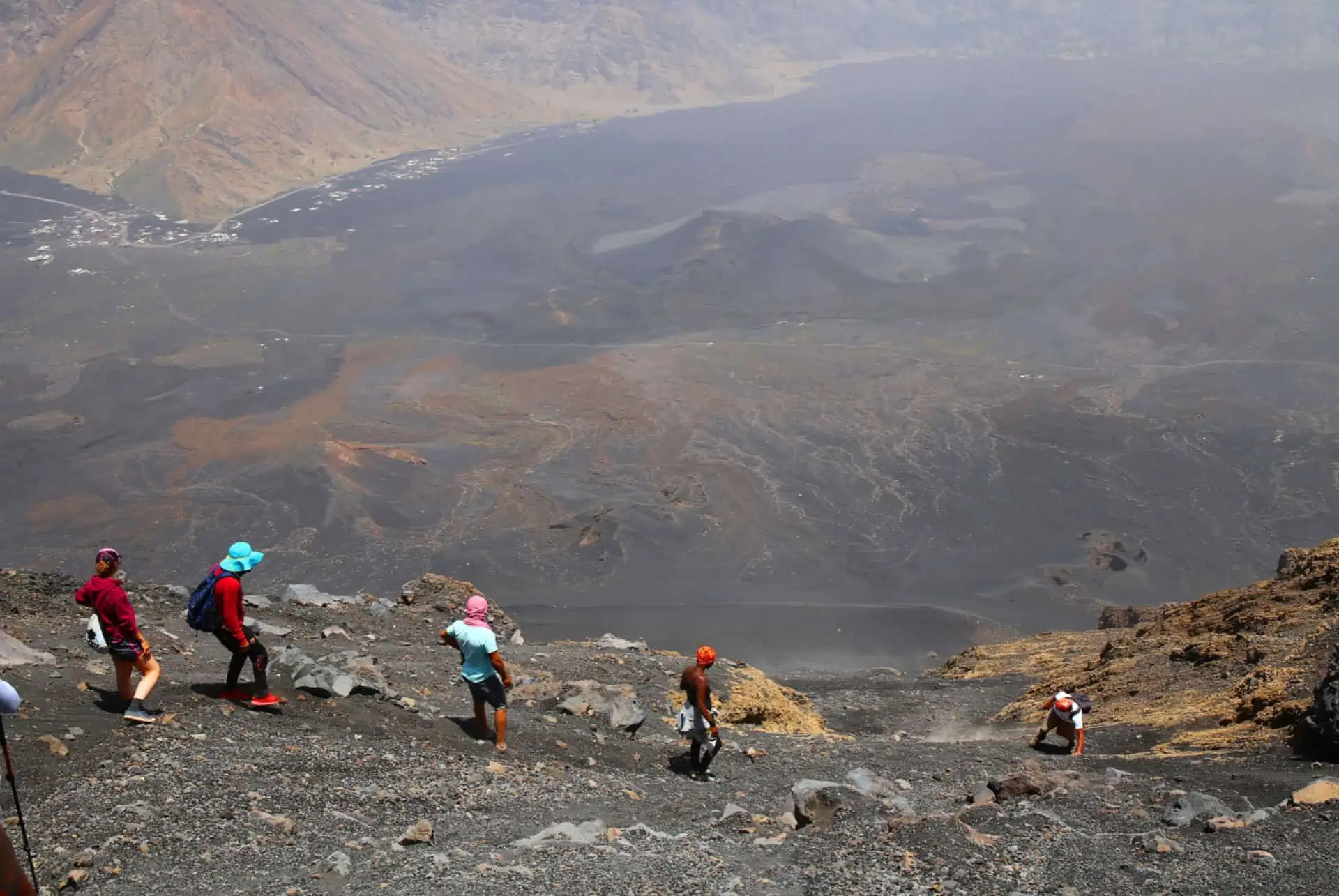
Position yourself at the crater edge to document the sweeping views of the caldera floor below as part of organized pico do fogo hike tours.
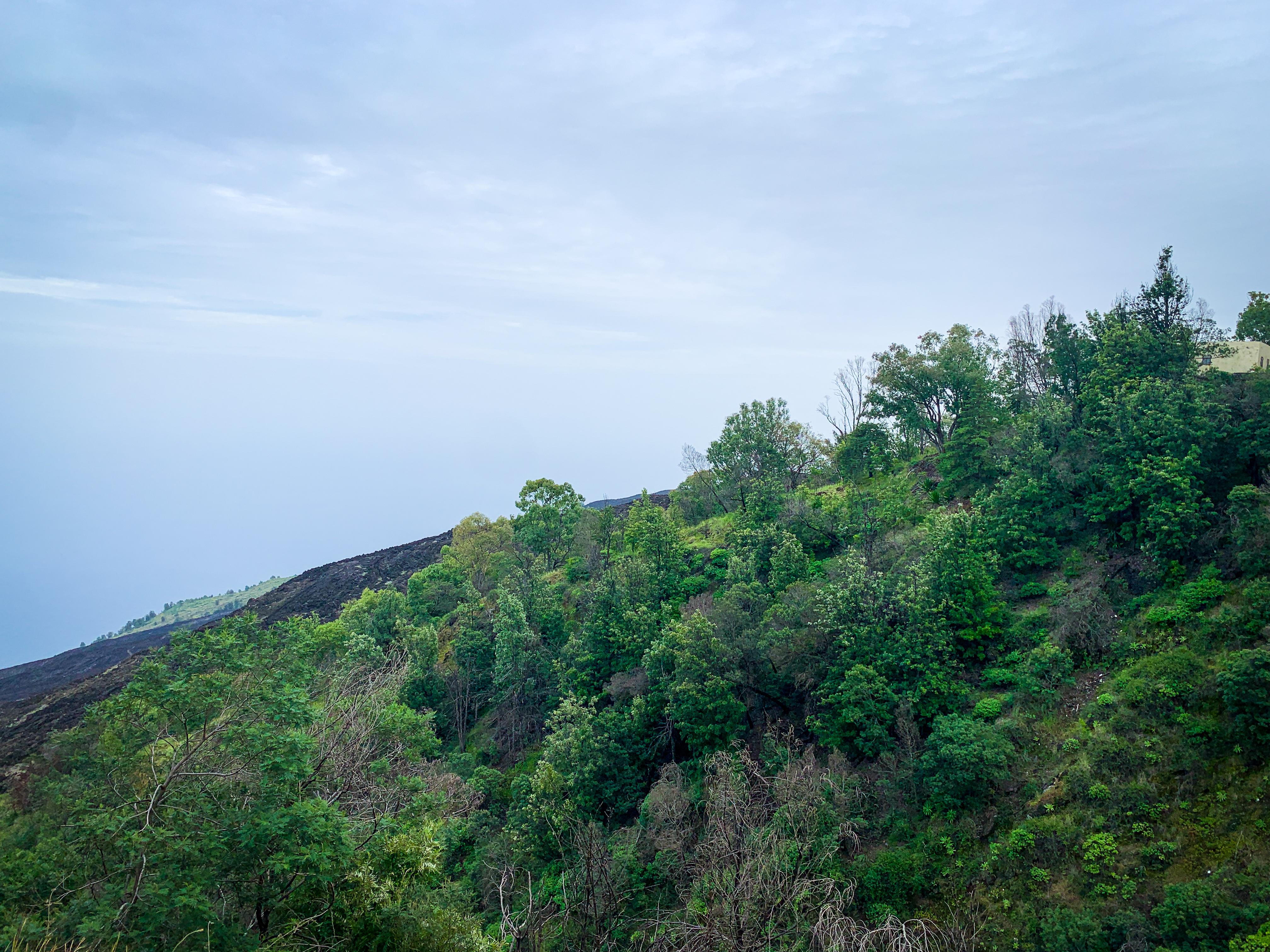
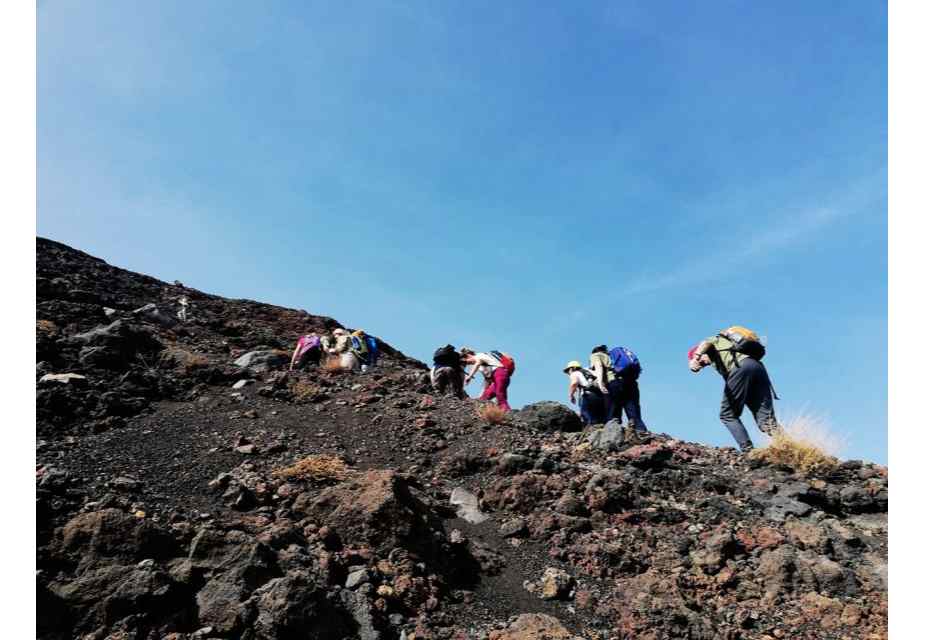
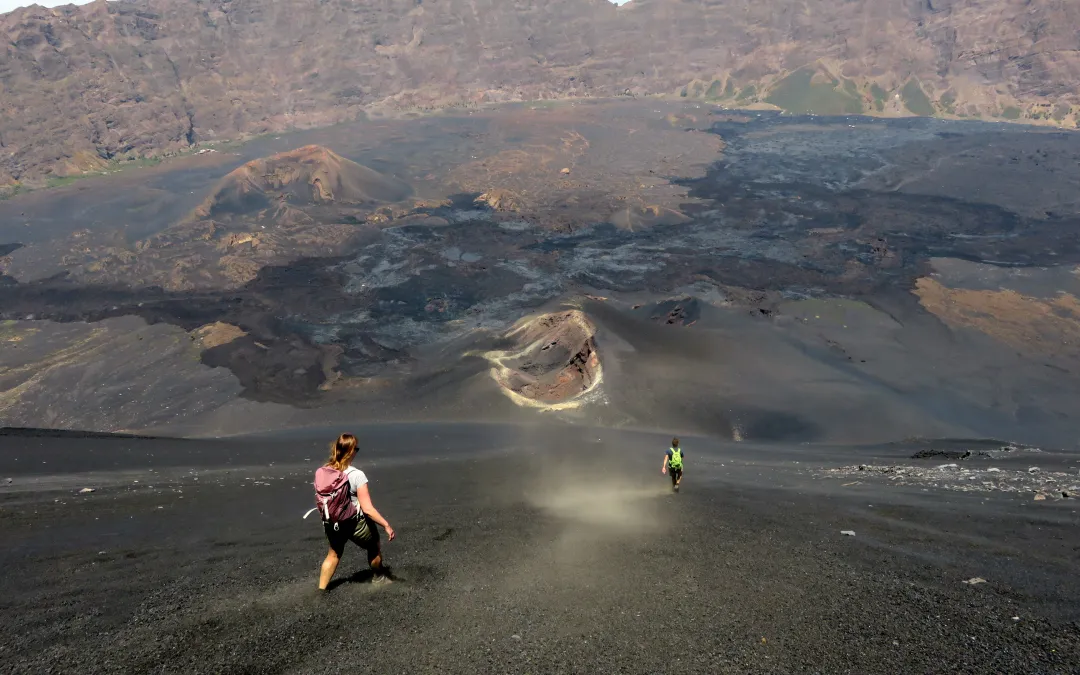
Focus on the textures of the dark volcanic scree and the winding trail path to emphasize the challenge of the climb for those who purchased pico do fogo hike tickets.
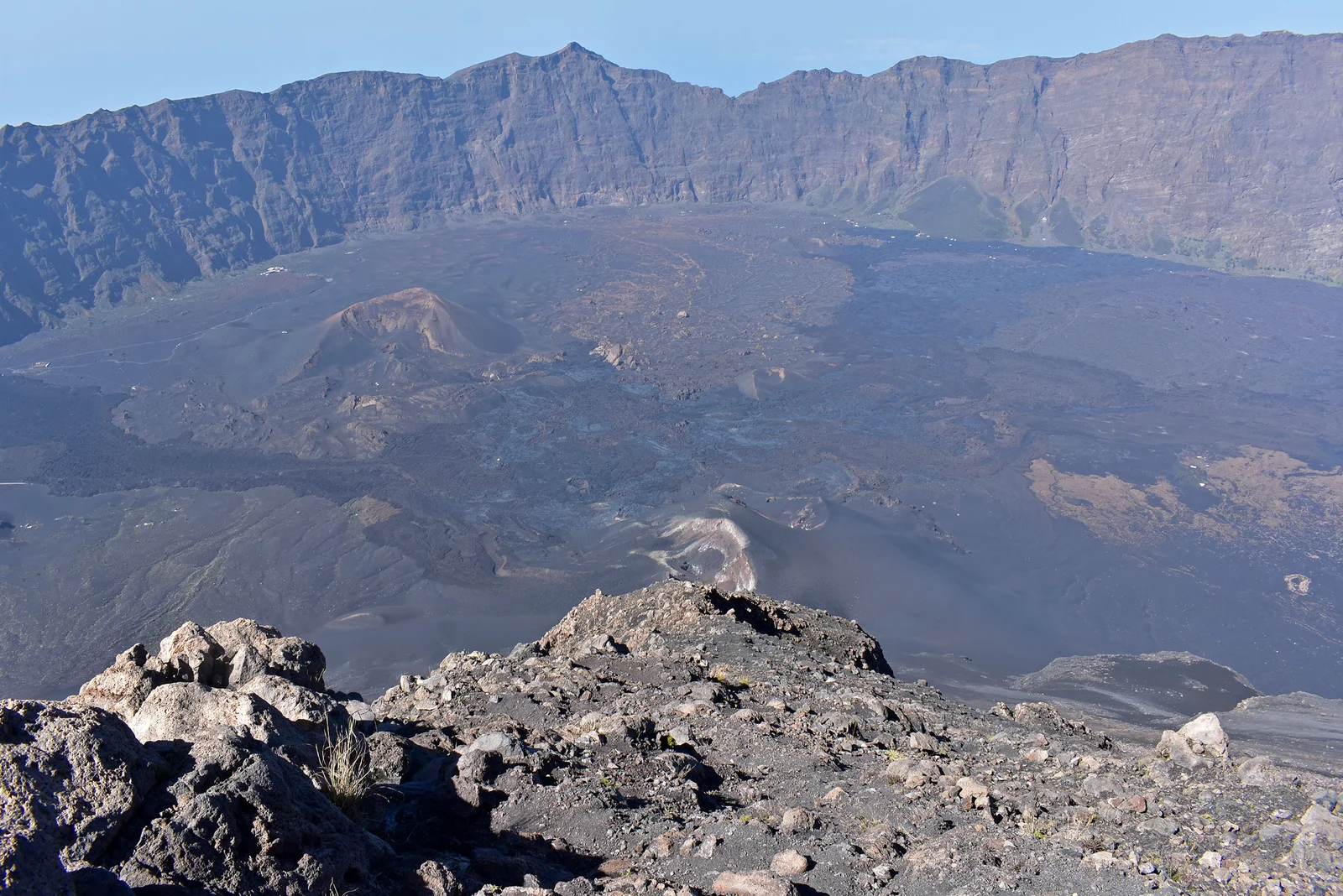
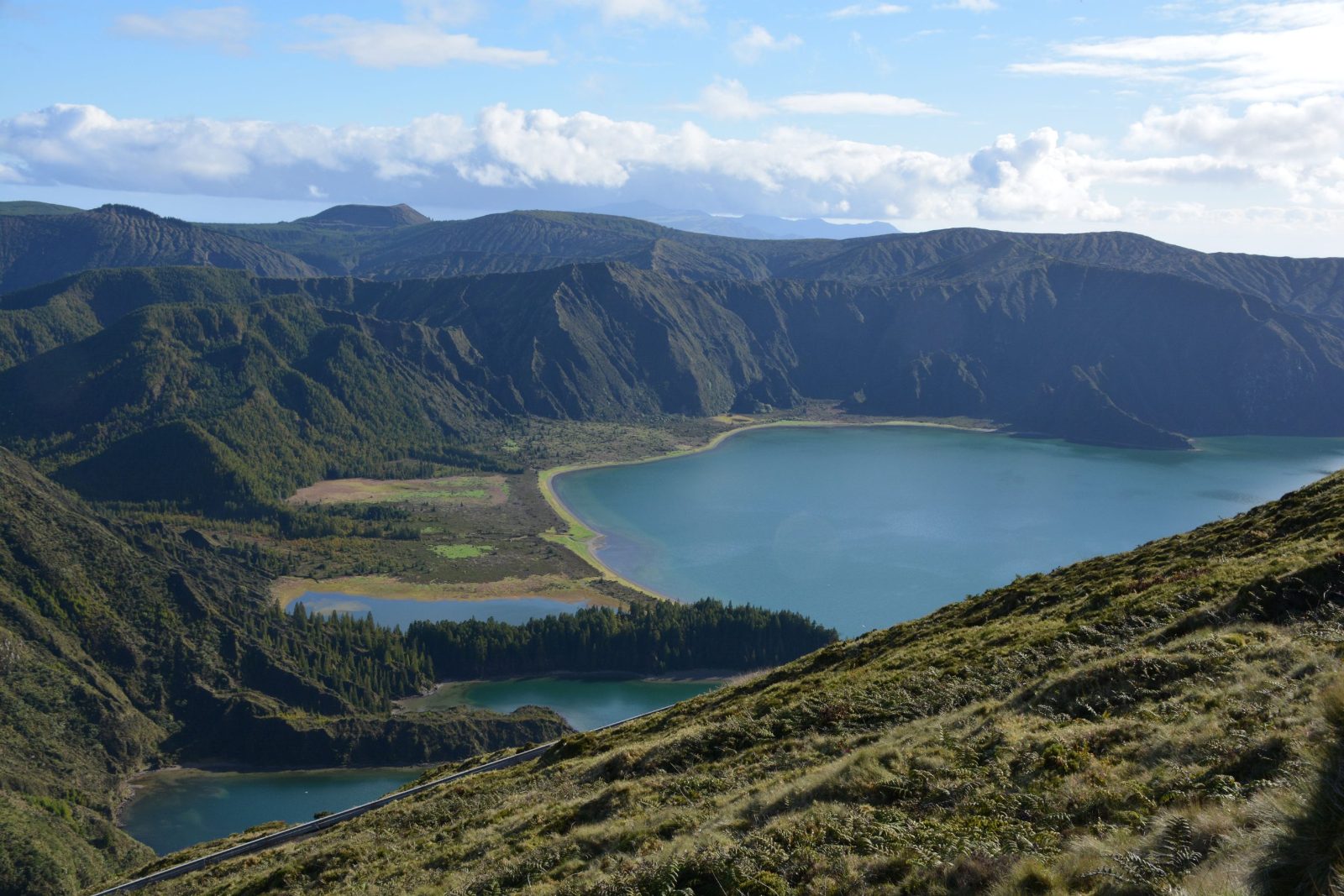
Capture the entire volcanic basin from an elevated position to highlight the unique geological setting on this pico do fogo hike tour.
Dining options in Chã das Caldeiras are primarily located within local guesthouses, providing essential nourishment before or after your pico do fogo hike. These establishments offer a genuine taste of the region, often serving hearty, home-cooked meals that sustain travelers embarking on these challenging pico do fogo hike tours.
A popular guest house and restaurant featuring refined Cape Verdean cuisine with a French influence, perfect for post-hike refueling. Reservations are recommended for groups planning their pico do fogo hike tour.
Real experiences from real travelers
The pico do fogo hike pushed us physically but the views from the crater rim made every step worth it. We started at dawn to avoid the heat and reached the summit in about three hours. The volcanic landscape is like nothing else I have seen, black ash and jagged lava formations stretching in every direction. Bring plenty of water and sun protection.
Hired a local guide from Chã das Caldeiras who knew the safest route up the cinder cone. The ascent through loose volcanic scoria required focus but the descent was thrilling, almost like skiing down the ash slope. The caldera floor and the distant ocean create a surreal contrast. Start early before clouds roll in.
This volcano hike tour is the highlight of any trip to Fogo. The trail winds through old lava flows and then climbs steeply to the active crater. Our guide shared stories of the 2014 eruption that reshaped the landscape. The summit offers 360-degree views across the island and neighboring Santo Antão on clear days.
The pico do fogo hike is not for beginners. The altitude and loose terrain demand good fitness and proper footwear. We took frequent breaks and drank more water than expected. The volcanic cone is imposing up close and the sulfur vents near the top are fascinating. Guided tours provide valuable context about the geology and local culture.
Climbed Pico do Fogo with a small group and the experience exceeded expectations. The black sand and ash create an otherworldly environment, and the views from the crater rim are panoramic. Descending through the scree was faster than expected. The villages below the volcano grow excellent wine in the volcanic soil.
The trail up the volcano starts gently through the caldera then becomes steep and challenging. Volcanic rock and cinder make footing tricky but the effort is rewarded with views that stretch to the horizon. We spotted fumaroles releasing steam near the summit. A local guide is essential for navigation and safety.
This pico do fogo hike tour takes you into the heart of an active volcanic system. The climb is strenuous, especially the final push to the rim, but the sense of standing on the edge of a live volcano is humbling. The ash fields and lava formations tell the story of recent eruptions. Wear layers as temperatures shift quickly.
We booked a guided trek and it made all the difference. The guide explained the volcanic activity and pointed out safe routes through the unstable terrain. The summit view of the caldera and the Atlantic beyond is worth every uphill step. Descending the ash slope felt like moonwalking. Bring gaiters to keep ash out of your boots.
The pico do fogo hike is unlike any mountain trail in Europe. The volcanic cone rises sharply from the caldera floor and the loose scoria makes the ascent slow but exhilarating. We reached the crater rim in time for sunrise and watched light flood the valley below. The raw power of the landscape is humbling.
Climbed the volcano with a guide who grew up in the shadow of Pico do Fogo. The trail passes through layers of old lava and fresh ash from the last eruption. The final scramble to the rim is steep but manageable with trekking poles. From the top, the horseshoe caldera and the patchwork villages below create a striking composition.
Everything you need to know for your journey
The trail is accessible from 00:00–23:59 every day. You should start within the 05:00–07:00 arrival window for the best experience.
Entrance to the park is 0 EUR, though hiring a guide for your pico do fogo hike tour is strongly advised and carries a local fee.
The best arrival window is 05:00–07:00 to avoid heat. Autumn and spring are generally the most comfortable seasons for a pico do fogo hike.
There are no traditional entry tickets, but you should book your pico do fogo hike tours with a certified local guide.
The hike is very strenuous and not recommended for young children. Teens with mountain trekking experience may enjoy the pico do fogo hike.
Yes, the hike is physically demanding due to the steep, loose volcanic ash. It is considered a challenging mountain trek.
Bring at least 3 liters of water, sturdy boots, and layers. Nothing is available for purchase once you start the pico do fogo hike.
You can reach Chã das Caldeiras by taxi or local aluguer from São Filipe. Check with your accommodation for the best transport for your pico do fogo hike.
Yes, you can visit the local vineyards or the nearby Pico Pequeno vent after your pico do fogo hike.
A smaller volcanic vent formed during the 2014 eruption.
The outer crater wall provides immense views of the landscape.
Fogo island wine is grown in the fertile volcanic ash soils.
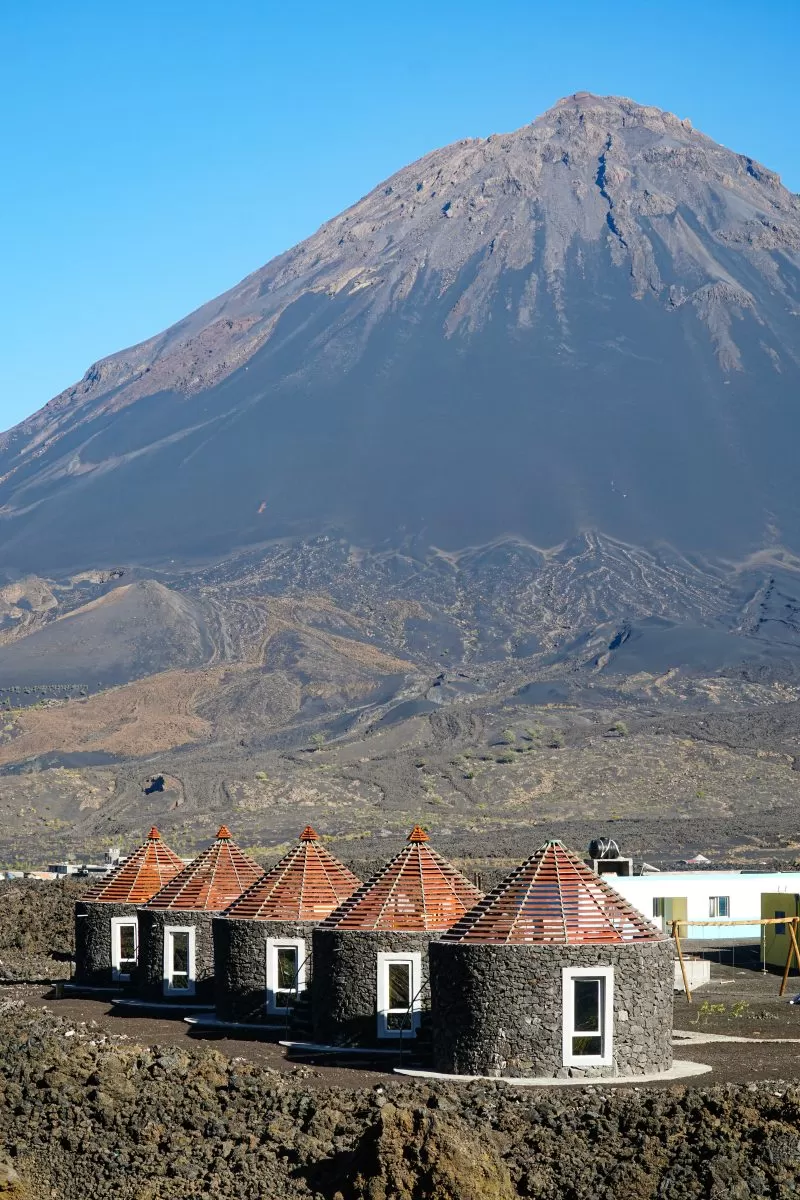
Small family-run lodges located inside the crater.
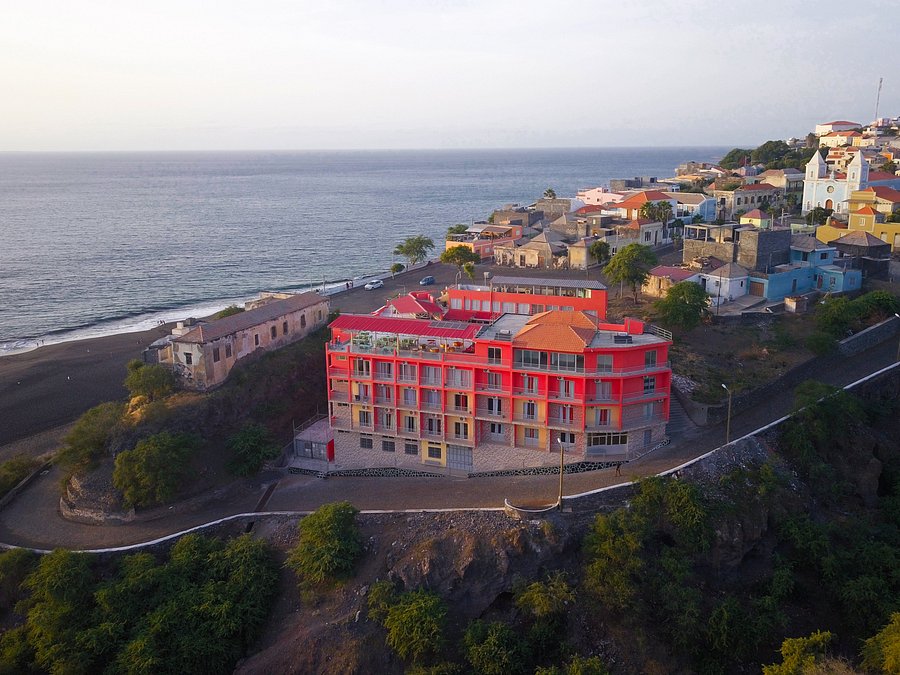
Traditional hotels located near the coastline.
Join thousands of happy travelers who have discovered this incredible experience
Book Your Experience Now